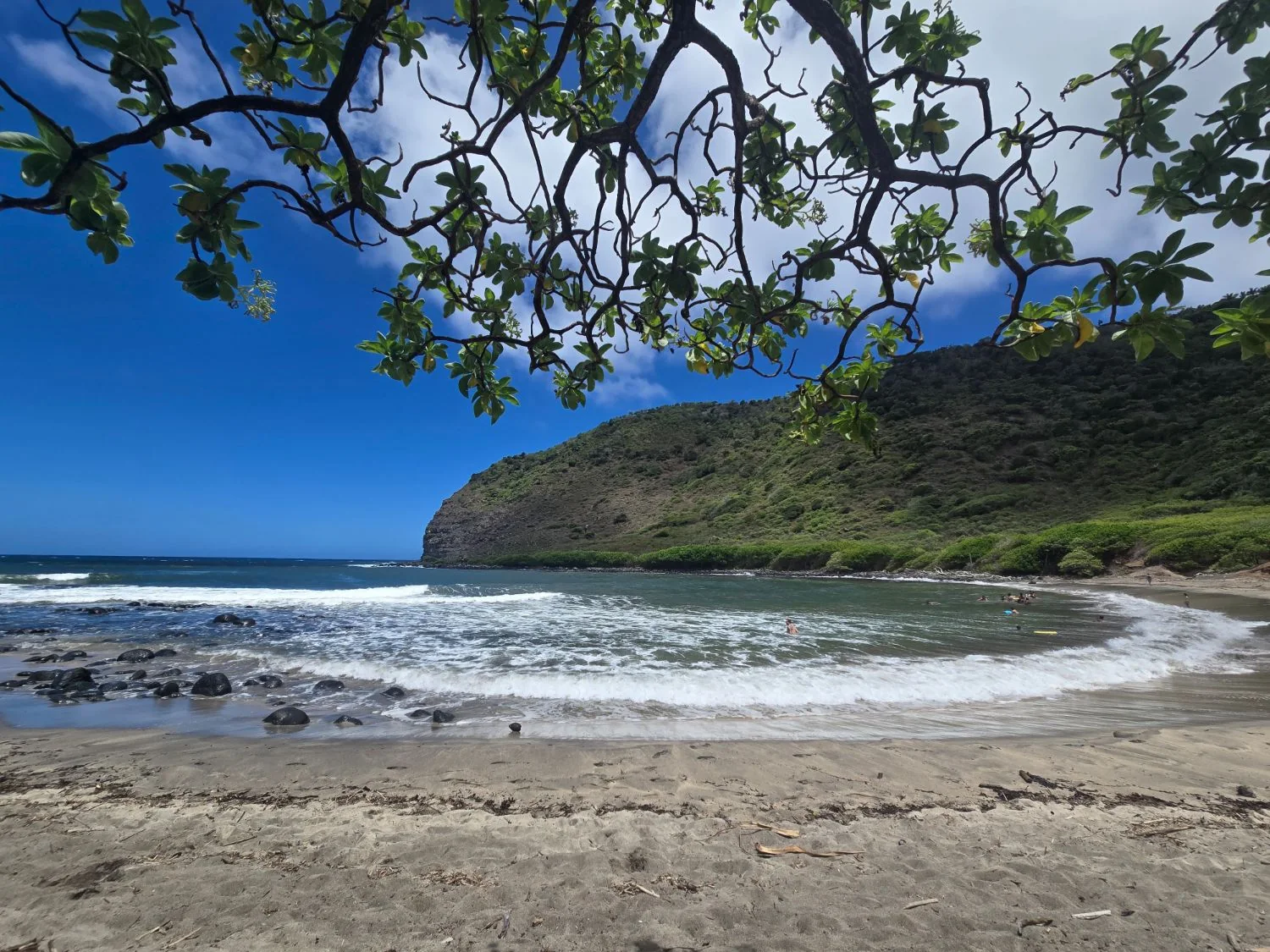
Every community hopes its children will grow up knowing where they come from. On Molokaʻi, I was reminded that one of the best ways to teach that lesson is not in a classroom, but by walking the land, working with your hands, and learning from those who came before us.
Over five days at Ka ʻUmeke ʻAi Summer Camp, I watched children do far more than fill their summer vacation. They immersed themselves in the traditions that have sustained this island for generations.
The week began with culture. Campers learned Hawaiian oli, practiced hula, made traditional crafts, and prepared food together. It was a reminder that culture is not something preserved behind museum walls. It is something shared through music, stories, hands-on learning, and family.
The following days carried those lessons into the fields and the sea.
At local farms, children planted kalo and other crops, toured the University of Hawaiʻi Maui College Farm, and learned that every harvest begins with healthy soil and people willing to care for it.
At 'Āina Momona at Keawanui, the keiki discovered that caring for the ocean begins by caring for the land. They learned that the runoff from ma uka ends up in our ocean and affects our food there. They also learned about water conservation, helped remove invasive plants, and saw firsthand how every mountain stream eventually reaches the sea.
Later in the week, participants visited Nā Hua o Ka 'Āina, Purdy's Homestead, and harvested coconuts, and learned traditional Hawaiian cooking. Each activity revealed another connection between the land, food, family, and community.
The week concluded with a hula performance by the children teaching the practice of saying, "going holoholo" instead of fishing because "fish have ears."
As the music began, I glanced across the group of smiling faces. I realized the performance was not simply about remembering the right steps. It was the celebration of everything they had learned together: the songs, the stories, the friendships, and the responsibility of carrying culture forward.
Programs like Ka ʻUmeke ʻAi do more than entertain children during the summer. They strengthen the bonds between generations and remind all of us that culture continues to thrive only when it is shared.
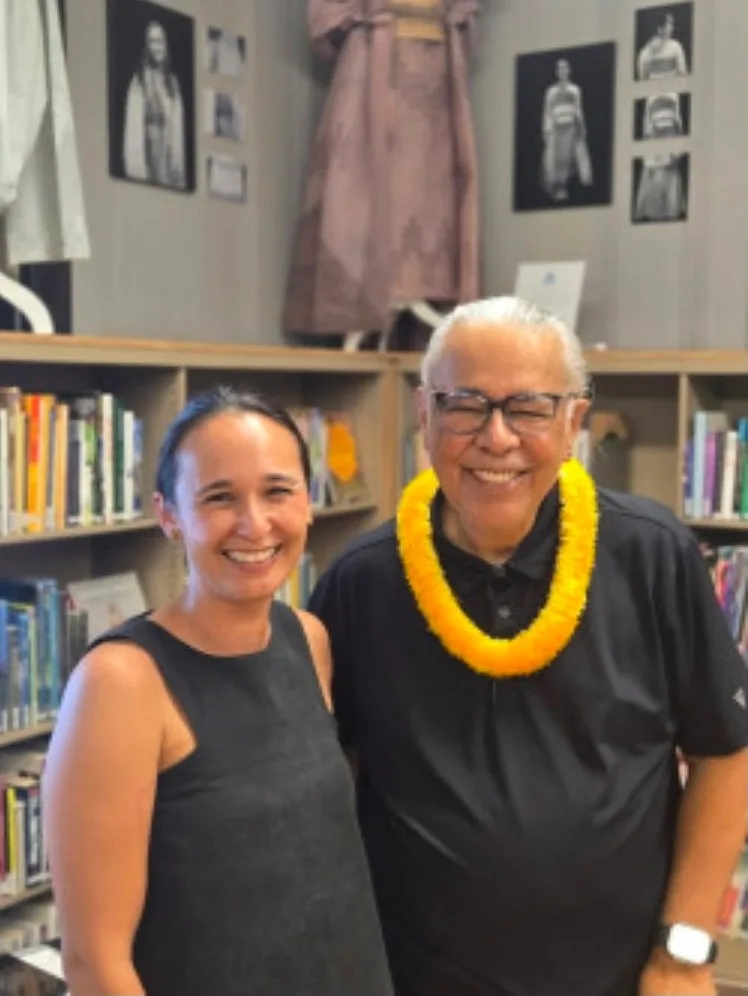
Mahalo to Kilia Purdy-Avelino, her ʻohana, the volunteers, cultural
practitioners, farmers & farm owners, cooks, parents, and everyone who devoted their time to these children. Your work is helping shape the future of Molokaʻi, one child at a time.
Some lessons are taught in classrooms. Others are learned by walking the land together.