
About HINA

About HINA.

Who HINA is, how we work with communities, and the legacy we build on.

Our mission

Stronger Communities. Safer Regions. A More Peaceful World.

HINA strengthens communities in the Pacific and Asia through trusted partnerships, practical solutions, and sustainable capacity — advancing democracy, peace, and stability in support of U.S. national security and interests.

  • Empower Communities
    Locally led solutions
  • Build Partnerships
    People, knowledge and resources
  • Strengthen Stability
    Safer regions and stronger nations
  • Create Lasting Impact
    Sustainable self-reliance

Our objective

Build the Partnerships. Deliver What Communities Choose.

Establish partnerships in the first districts, deliver the projects those communities choose in agriculture, clean water, and education, and build the institutions that will run them.

Our goal

Communities That Lead Their Own Future.

Local leaders trained and local systems in place, so that HINA can step back and the work endures.

How HINA works
Cultural Understanding.Practical Solutions.Sustainable Results.

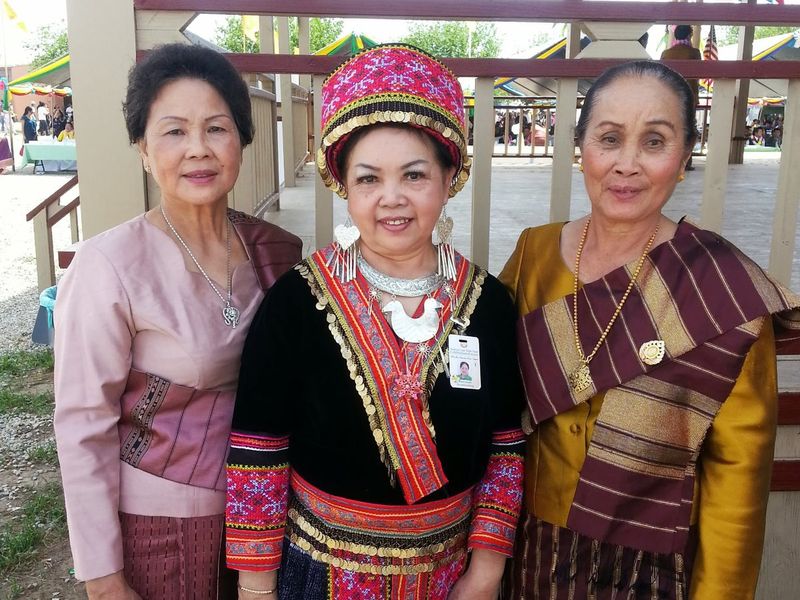
  1. Three women in traditional Lao and Hmong dress at a community celebration
    1Understand

    Listen to the community, map local assets, and identify opportunities.
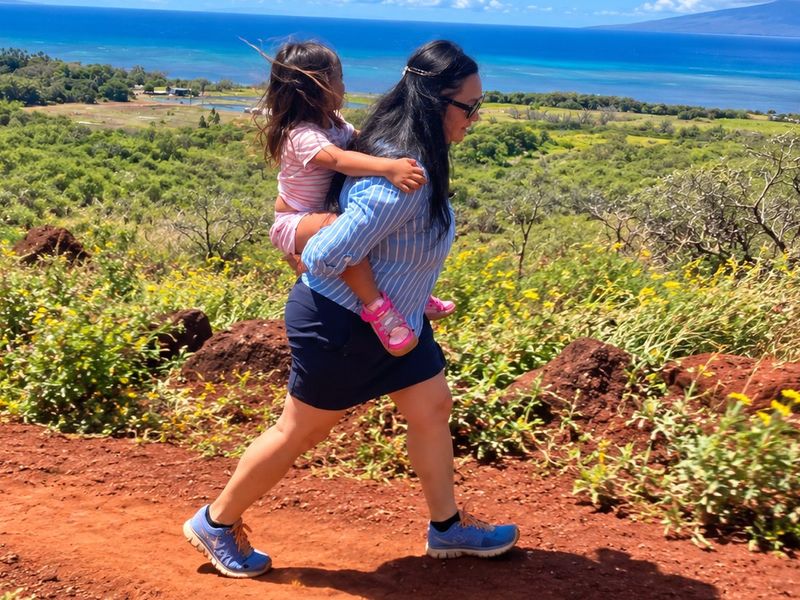
  2. A woman carrying a child on her back along a red-dirt trail above the coast
    2Connect

    Bring together local leaders, trusted partners, knowledge, and resources.
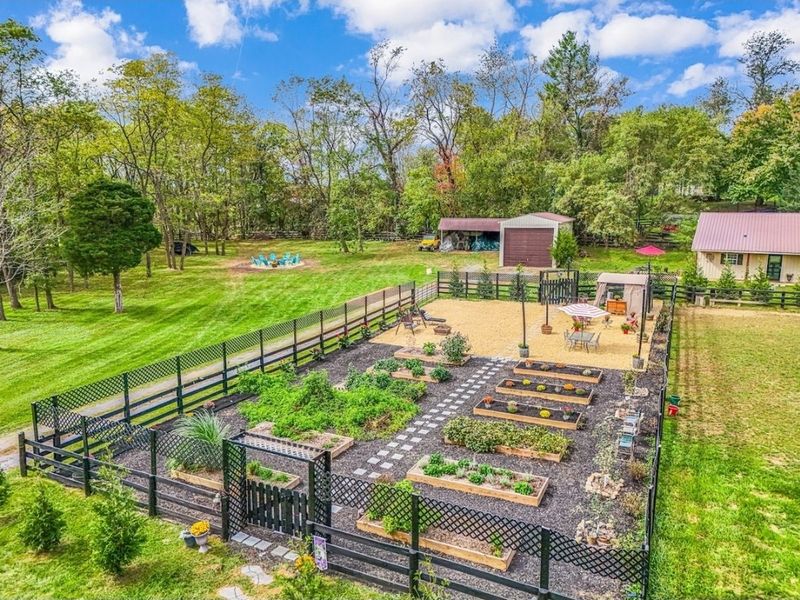
  3. A community farm plot
    3Build

    Support community-approved projects with practical solutions in agriculture, education, clean water, and more.
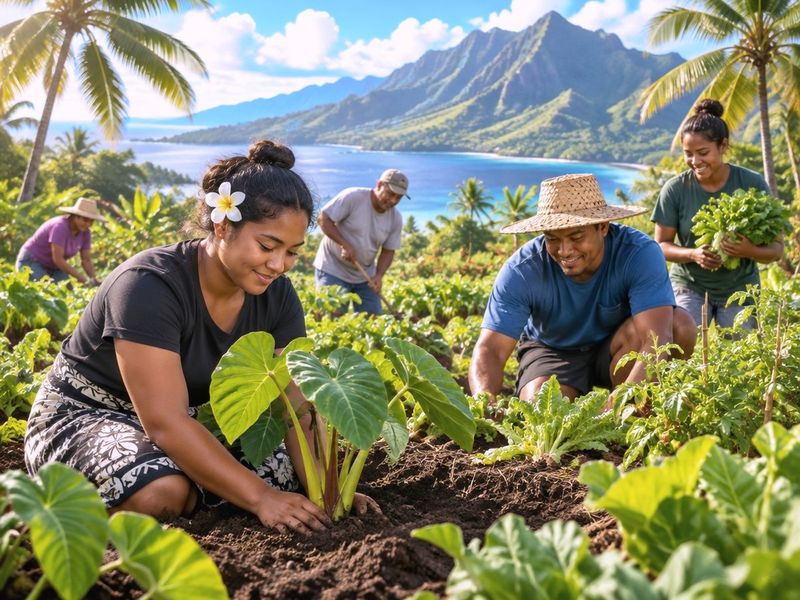
  4. Community members planting taro and greens together in a coastal Hawaiian garden
    4Sustain

    Train local leaders, strengthen capacity, and step back so communities lead their own future.

“Understand before you assist. Empower before you exit.”

Three arms
Three arms. A stronger HINA.

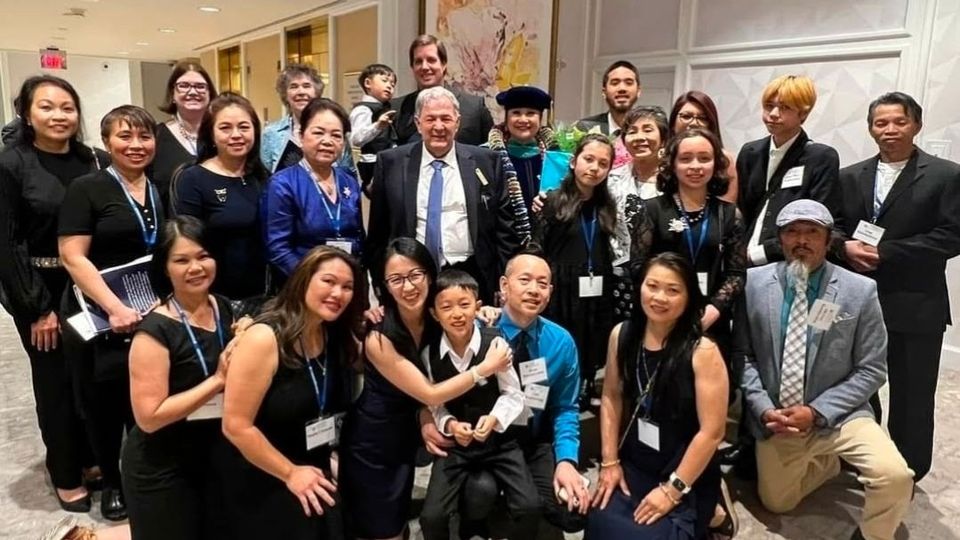
Colleagues, family and community members together at a formal graduation gathering
ALPHA emblem
ALPHA
Academy for Leadership, Peace & Humanitarian Advancement
Knowledge
  • •Research & training
  • •Education & fellowships
  • •Leadership development
  • •Knowledge exchange
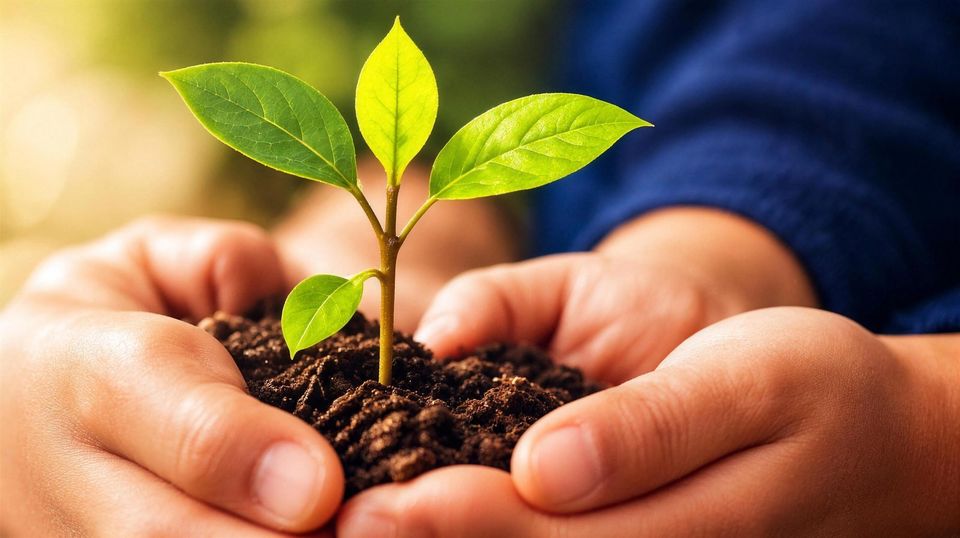
Cupped hands holding a young seedling in rich soil
PEACOC emblem
PEACOC
Philanthropy, Engagement, Accountability, Investment & Organizational Capacity
Resources
  • •Donor relations
  • •Grant management
  • •Institutional capacity
  • •Financial stewardship
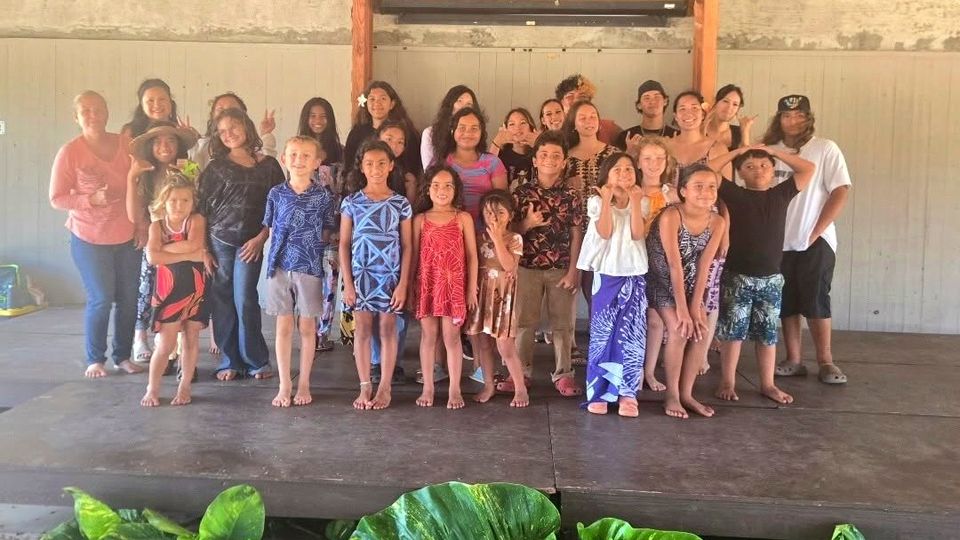
Keiki and youth at a 2026 summer camp in Hawaiʻi, gathered on an open-air stage
PORE emblem
PORE
Programs, Operations & Regional Engagement
Service & engagement
  • •Community partnerships
  • •Program implementation
  • •Regional coordination
  • •Sustainable exit

The legacy

The model of Professor Albert Santoli.

HINA carries forward the model Professor Santoli built over two decades: transparency of intent, relationships before resources, and communities that lead their own future.
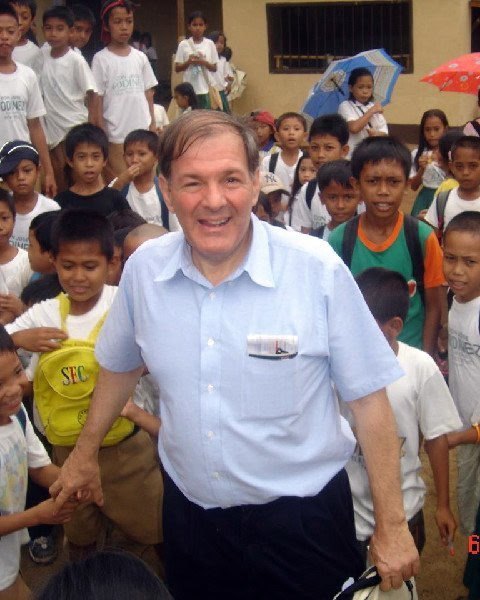
Professor Albert Santoli surrounded by schoolchildren in the Philippines
Philippines
Professor Albert Santoli
Founder, Asia America Initiative · The Institute of World Politics · d. 2026

“People will never forget that you were there for them when they were in need, and not only when it was easy to be needed.”
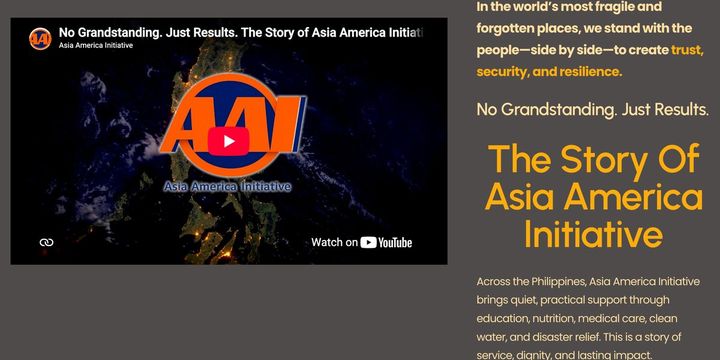
The Asia America Initiative websiteProfessor Santoli’s organizationAsia America Initiativeasiaamerica.org
Service
Vietnam infantry and reconnaissance-intelligence, 25th Infantry Division. Three Purple Hearts and a Bronze Star for valor.
Author
Everything We Had (Random House, 1981), a New York Times bestseller and Pulitzer Prize nominee, and several other books and monographs.
Teacher
Longtime professor at The Institute of World Politics and director of its Center for Culture and Freedom. Taught cultural intelligence, counter-terror through cultural engagement, and peace and conflict resolution.
Founder
Asia America Initiative (2002), building hope in communities afflicted by armed conflict and severe poverty in the Philippines.
Honor
Order of the Golden Heart, conferred by Philippine President Benigno Aquino III in 2013, for creating peace zones in the southern Philippines.

His approach was simple to state and hard to do. Public schools became places where the children of rival communities learned side by side. Local youth were trained as catalysts for peace. Relief after typhoons was followed by nutrition, clean water, and scholarships that stayed. IWP's founder and chancellor, Dr. John Lenczowski, called it one of the most successful radicalization-prevention programs run by anyone in the United States.

  • 250+
    nurses licensed in Sulu through AAI scholarships, against an original goal of 50
  • 60,000+
    children a year reached with clean water and hygiene programs
  • 500+
    women in Sulu and rural Visayas supported to become licensed nurses and psychologists since 2015

Asia America Initiative results, Philippines (as reported by AAI)

Get in touch

Partnerships begin with a conversation.